5 Cheese Lasagna
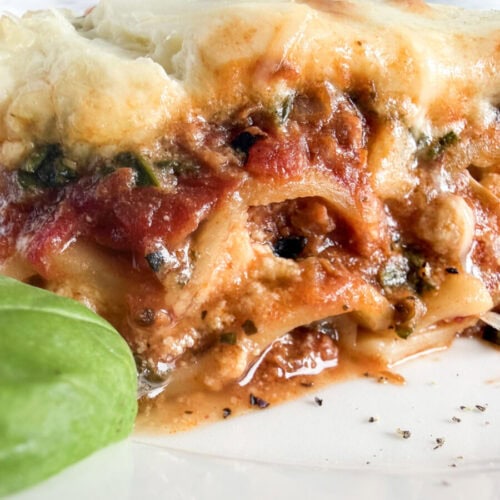
This cozy 5 cheese lasagna is packed with beef, Italian chicken sausage, rich tomato sauce, creamy ricotta, cottage cheese, mozzarella, fresh mozzarella, and Parmesan for a hearty family dinner that feels homemade in the best way.
Print Recipe
Ingredients
- 10 lasagna noodles uncooked
- 1 pound Italian chicken sausage cooked and crumbled
- 1 pound ground beef
- 1 medium onion diced
- 4 garlic cloves minced
- 32 ounces crushed tomatoes
- 12 ounces tomato paste
- ½ cup tomato juice or water
- ½ cup beef broth
- 1 teaspoon brown sugar
- ½ cup minced fresh parsley divided
- 2 teaspoons dried basil
- 2 teaspoons oregano
- ¾ teaspoon fennel seed
- ¾ teaspoon salt
- ¼ teaspoon coarsely ground pepper
- 6 ounces spinach finely chopped, optional
- 1 large egg lightly beaten
- 1 carton 15 ounces ricotta cheese
- 8 ounces cottage cheese
- 4 cups shredded mozzarella cheese
- 12 ounces fresh mozzarella cheese sliced
- ¾ cup grated Parmesan cheese
Instructions
- Step 1: Brown the Beef and Onion - Start with a deep skillet over medium heat and add the ground beef and diced onion. Cook them together for 8 to 10 minutes, breaking the beef into small crumbles as it cooks. I like doing the onion right in with the meat because it softens in all those juices and gives the sauce a better base. Once the beef is no longer pink and the onion looks tender, stir in the minced garlic and cook it for about 1 minute. Garlic can burn quickly, so do not walk away here. Just let it wake up and smell good.
- Step 2: Add the Chicken Sausage - Stir the cooked and crumbled Italian chicken sausage into the skillet. Since the sausage is already cooked, you are really just warming it through and letting it join the party. The combination of beef and chicken sausage gives this homemade lasagna a nice balance. You get the hearty beef flavor, plus the seasoned sausage flavor, without the sauce feeling too greasy or heavy.
- Step 3: Simmer the Tomato Meat Sauce - Add the crushed tomatoes, tomato paste, tomato juice or water, beef broth, brown sugar, 1/4 cup parsley, dried basil, oregano, fennel seed, 1/2 teaspoon salt, and pepper. Stir it all together until the tomato paste loosens into the sauce. Bring it to a boil, then reduce the heat and let it simmer uncovered for 30 minutes, stirring now and then. This is where the sauce turns from a bunch of ingredients into something that tastes like dinner. It thickens, the herbs soften, and the fennel gives it that old school lasagna smell that brings people into the kitchen.
- Step 4: Mix the Cheese Filling - In a bowl, mix the lightly beaten egg, ricotta cheese, cottage cheese, shredded mozzarella, and Parmesan cheese. Stir it until everything is evenly combined. The egg helps the filling hold together so your slices do not completely collapse when you serve them. Now, I am not going to pretend lasagna always cuts like a restaurant photo. Sometimes the first piece is the cook’s piece, and that is just how life works. But this cheese mixture helps it scoop nicely and taste rich in every bite.
- Step 5: Chop the Spinach - Finely chop the spinach if you are using it. I like cutting it small so it tucks into the layers instead of pulling out in big strands. Spinach is optional, but it gives the lasagna a little color and makes me feel like I did something responsible while also adding five cheeses. Fresh spinach works well here, and if it seems damp after chopping, pat it lightly with a paper towel so it does not water down the layers.
- Step 6: Build the First Layers - Preheat the oven to 375°F and grease a 13x9 inch baking dish. Spread a thin layer of meat sauce over the bottom of the dish. This keeps the noodles from sticking and gives them moisture right away. Add half of the uncooked lasagna noodles over the sauce. Break a noodle if you need to make things fit. This is family cooking, not tile work. Spoon another thin layer of meat sauce over the noodles so they are covered.
- Step 7: Add Cheese and Spinach - Drop clumps of the cheese mixture over the sauce, then gently spread it a bit with the back of a spoon. It does not have to be perfect. As it bakes, the cheese will melt and settle into the spaces. Add half of the chopped spinach over the cheese if you are using it. This layer is where you start seeing the lasagna become something special, with sauce, pasta, creamy cheese, and green all tucked together.
- Step 8: Finish the Layers - Add the remaining noodles, more meat sauce, the rest of the cheese mixture, and the remaining spinach. Make sure the noodles have enough sauce around them because that moisture is what cooks them in the oven. Finish with the sliced fresh mozzarella across the top. The dish will be full, and that is exactly right. Put the baking dish on a rimmed sheet pan if you are worried about bubbling over. That little dad move saves you from cleaning the oven later.
- Step 9: Bake Until Bubbly - Bake the lasagna uncovered for 50 to 60 minutes, until the sauce is bubbling around the edges, the noodles are tender, and the cheese on top looks melted and lightly golden in spots. If the top starts browning faster than you like, loosely cover it near the end. Once it comes out of the oven, let it stand for 15 minutes before slicing. I know that is the hardest part, but it really does help the layers settle. Finish with the remaining parsley and extra Parmesan if you like.
Notes
Substitutions
- Ground turkey: Use ground turkey instead of beef if you want a lighter lasagna.
- Pork Italian sausage: Swap the chicken sausage for pork sausage if that is what you have.
- Marinara sauce: Use a good jarred marinara in place of crushed tomatoes and some of the seasoning when time is tight.
- No cottage cheese: Use extra ricotta if cottage cheese is not your thing.
- No fresh mozzarella: Use additional shredded mozzarella on top if needed.
- Frozen spinach: Use thawed frozen spinach, but squeeze it very dry before layering.
Variations
- Spicy lasagna: Use hot Italian chicken sausage and add a pinch of red pepper flakes to the sauce.
- Extra veggie lasagna: Add finely chopped mushrooms, zucchini, or bell pepper to the meat sauce.
- More classic style: Skip the spinach and keep the layers all sauce, noodles, and cheese.
- Creamier top: Add a little extra fresh mozzarella over the top before baking.
- Herby finish: Sprinkle fresh basil over the finished lasagna with the parsley.
Tips and Tricks
- Let the sauce simmer: Those 30 minutes make the sauce richer and help the dried herbs bloom.
- Cover the noodles well: Uncooked noodles need sauce around them so they bake up tender.
- Use a deep dish: This lasagna is full, so a deeper 13x9 inch pan is your friend.
- Rest before slicing: Give it 15 minutes so the layers settle and the cheese firms slightly.
- Taste the sauce: Before layering, taste it and adjust salt or pepper if needed.
- Use a sheet pan: Place the baking dish on a rimmed pan to catch any bubbling sauce.
Serving Ideas
- Garlic bread: Serve thick slices of garlic bread for scooping up extra sauce.
- Green salad: A crisp salad with Italian dressing balances the richness of the cheese.
- Roasted vegetables: Broccoli, green beans, or asparagus make a simple side.
- Extra Parmesan: Put a small bowl of Parmesan on the table because someone always wants more.
- Simple fruit: Grapes or sliced apples are nice for kids and keep the meal from feeling too heavy.
Storage and Make Ahead Tips
- Refrigerator storage: Store leftover lasagna covered in the fridge for up to 4 days.
- Freezer storage: Wrap portions tightly and freeze for up to 3 months.
- Reheating slices: Warm individual pieces in the microwave or oven until hot through the center.
- Make ahead assembly: Assemble the lasagna up to 24 hours ahead, then refrigerate until ready to bake.
- Best leftovers: Add a spoonful of sauce or a splash of water before reheating if the pasta looks dry.
- Lunch portions: Cut leftovers into squares and pack them in containers for easy meals.
Private Notes
