Beef Stir Fry with Noodles
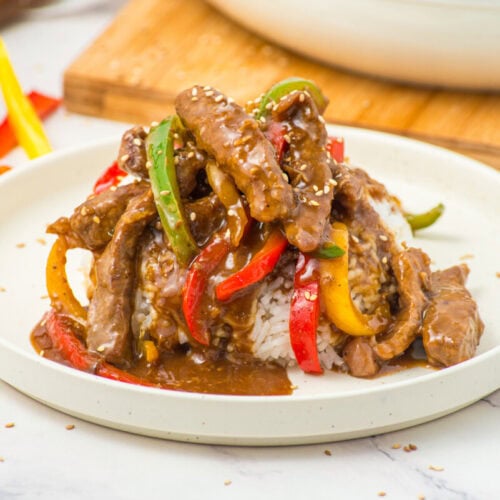
This homemade beef stir fry brings tender strips of beef, colorful bell peppers, and a rich, glossy soy sauce glaze together in one skillet. Ready in just 35 minutes, it is a hearty, family friendly dinner that tastes wonderful served over fluffy rice, noodles, or creamy mashed potatoes. With simple ingredients and easy instructions, this comforting meal is a delicious choice for busy weeknights.
Print Recipe
Ingredients
- 1 lb beef chuck steak (Thinly sliced against the grain)
- ½ tsp salt (Adjust to taste)
- ½ tsp black pepper
- 1 tsp cornstarch (For coating the beef)
- 1 to 2 tbsp olive oil (Divided, for cooking the beef and peppers)
- 1 red bell pepper (Sliced into thin strips)
- 1 green bell pepper (Sliced into thin strips)
- 1 yellow bell pepper (Sliced into thin strips)
- 2 cloves garlic (Minced)
- ½ tsp fresh ginger (Finely grated)
- ½ cup soy sauce (Reduced sodium soy sauce may be used)
- ¼ cup lime juice or rice vinegar (Lime juice adds brightness, while rice vinegar provides a gentler tang)
- 2 tbsp brown sugar (Adjust according to preferred sweetness)
- 2 tbsp cornstarch (For thickening the sauce)
- ½ cup water (Cold, for dissolving the cornstarch)
- sesame seeds (Optional garnish, to taste)
- green onions (Thinly sliced, for garnish)
Instructions
- Step 1: Slice and Season the Beef - Start by cutting your beef chuck steak into thin strips, preferably against the grain. This means cutting across the visible muscle fibers rather than along them, which helps make each bite easier to chew. Place the beef strips in a medium bowl, sprinkle with the salt and black pepper, and add the teaspoon of cornstarch. Toss everything until the beef is evenly coated. I like to make sure there are no big clumps of cornstarch hiding in the bowl. You only need a light coating. If your beef is difficult to slice, placing it in the freezer for about 15 to 20 minutes beforehand can make cutting thin strips much easier.
- Step 2: Brown the Beef in a Hot Skillet - Heat about 1 tablespoon of olive oil in a large skillet over medium high heat. Once the oil is hot, carefully add the seasoned beef. Spread the strips into an even layer so they have contact with the pan. If your skillet is crowded, cook the beef in batches. Too much beef at once can cause it to steam rather than brown. Cook for a few minutes, turning as needed, until the outside develops a rich brown color. Remove the beef from the skillet and place it on a plate. It will finish cooking when you return it to the sauce later.
- Step 3: Cook the Colorful Bell Peppers - Add a little more olive oil to the same skillet if necessary. Toss in the sliced red, green, and yellow bell peppers. Stir occasionally and let them cook for several minutes until they begin to soften but still have a little crunch. I always try to avoid cooking the peppers until they become completely limp. That slight bite makes the finished pepper steak so much more satisfying. Once the peppers are tender but still colorful, remove them from the skillet and place them alongside the beef.
- Step 4: Add the Garlic and Ginger - Reduce the heat slightly if the skillet seems too hot. Add the minced garlic and freshly grated ginger to the same pan. Stir constantly for about one minute, just until they become fragrant. Be careful not to let the garlic burn because burnt garlic can make the sauce taste bitter. Use your spoon or spatula to loosen any browned bits left on the bottom of the skillet. Those little pieces carry plenty of beef flavor and will make the sauce taste richer.
- Step 5: Make the Savory Pepper Steak Sauce - Pour the soy sauce and lime juice or rice vinegar into the skillet. Add the brown sugar and stir until the sugar dissolves. In a separate small bowl, combine the 2 tablespoons of cornstarch with the 1/2 cup of cold water. Stir thoroughly until the mixture is smooth. Pour the cornstarch mixture into the skillet while stirring continuously. As the sauce heats, it will begin to thicken and take on a beautiful glossy appearance. This is the part where the kitchen starts smelling especially good. The combination of garlic, ginger, and savory sauce usually gets someone asking what time dinner will be ready.
- Step 6: Return the Beef and Peppers to the Skillet - Add the browned beef and cooked peppers back into the skillet. Gently toss everything together until the sauce coats the beef and vegetables evenly. Let the mixture simmer for about 2 to 3 minutes, stirring occasionally, until the beef is cooked through and the peppers are heated. If the sauce seems too thick, add a small splash of water and stir. You want it rich enough to coat the ingredients but loose enough to spoon over rice.
- Step 7: Garnish and Serve Warm - Remove the skillet from the heat and sprinkle the pepper steak with sesame seeds and freshly sliced green onions. Serve immediately over fluffy white rice, noodles, or creamy mashed potatoes. At our table, I love bringing the skillet straight to the center and letting everyone build their own plate. Make sure to spoon a little extra sauce over each serving because that is what makes the rice especially delicious.
Notes
Substitutions
- Beef sirloin: Sirloin is a tender alternative to chuck steak and works especially well when sliced thinly and cooked quickly.
- Flank steak: Flank steak has a rich beef flavor, but be sure to slice it against the grain to keep it tender.
- Shoulder steak: This is another option if it is what you already have available, although the texture will depend on the cut.
- Reduced sodium soy sauce: Use it in place of regular soy sauce if you want a less salty sauce.
- Rice vinegar instead of lime juice: Rice vinegar gives the sauce a gentle tanginess, while lime juice offers a brighter citrus note.
- Ground ginger: If fresh ginger is unavailable, use a small pinch of ground ginger and adjust to taste.
- Different bell peppers: You can use whichever colors you have on hand without changing the overall cooking method.
Variations
- Spicy pepper steak: Add crushed red pepper flakes or a little Sriracha to the sauce for a warm kick that spice lovers will appreciate.
- Extra vegetable pepper steak: Add sliced onions, mushrooms, or broccoli to stretch the meal and include more vegetables.
- Sweeter pepper steak: Increase the brown sugar slightly if your family prefers a sweeter sauce.
- Garlic lover's pepper steak: Add an extra clove or two of minced garlic for a more pronounced savory flavor.
- Pepper steak noodle bowls: Toss the finished beef, peppers, and sauce with cooked noodles instead of serving everything over rice.
- Pepper steak rice bowls: Spoon the mixture over brown rice, jasmine rice, or fried rice and finish with extra green onions.
Tips and Tricks
- Slice the beef thinly: Thin strips cook quickly and make even a firmer cut of beef easier to eat.
- Cut against the grain: This shortens the muscle fibers and helps prevent chewy pieces of steak.
- Use a properly heated skillet: Starting with a hot pan helps the beef develop a browned exterior.
- Avoid overcrowding the beef: Cook in batches if necessary so the meat browns instead of releasing too much moisture.
- Keep some crunch in the peppers: Slightly crisp peppers create a much better contrast with the tender beef and smooth sauce.
- Mix the cornstarch with cold water: This prevents lumps and helps the sauce thicken evenly.
- Watch the sauce carefully: Cornstarch thickens quickly once heated, so keep stirring until you reach the consistency you like.
- Taste before adding more salt: Soy sauce already contains a considerable amount of sodium, and you may not need additional seasoning.
- Serve immediately when possible: Pepper steak is especially enjoyable when the beef is hot, the vegetables are colorful, and the sauce is glossy.
Serving Ideas
- Fluffy white rice: My favorite way to serve pepper steak is over freshly cooked white rice because it absorbs all that delicious sauce.
- Brown rice: This adds a slightly nutty flavor and a heartier texture that works beautifully with the tender beef.
- Egg noodles: Soft noodles turn the dish into a comforting bowl that feels especially satisfying on a chilly evening.
- Creamy mashed potatoes: The savory sauce tastes wonderful spooned over buttery mashed potatoes, making this a comforting alternative to rice.
- Steamed broccoli: A side of tender broccoli adds extra vegetables and pairs nicely with the rich sauce.
- Simple cucumber salad: Cool, crisp cucumbers offer a refreshing contrast to the warm beef and peppers.
- Cauliflower rice: A lighter alternative to traditional rice that still gives you something to serve beneath the sauce.
Storage and Make Ahead Tips
- Refrigerating leftovers: Transfer cooled pepper steak into an airtight container and refrigerate promptly for up to 3 to 4 days.
- Freezing portions: Store individual servings in freezer safe containers for up to 2 to 3 months for the best flavor and texture.
- Reheating on the stovetop: Place leftovers in a skillet over medium low heat with a splash of water and stir gently until heated thoroughly.
- Reheating in the microwave: Cover loosely and heat in short intervals, stirring between each one until the beef and sauce are steaming hot.
- Preparing ingredients early: Slice the beef and peppers ahead of time and refrigerate them separately so dinner comes together more quickly.
- Making the sauce ahead: Combine the soy sauce, brown sugar, and lime juice or rice vinegar in advance, then refrigerate until needed. Prepare the cornstarch mixture when cooking.
- Keeping rice separate: Store leftover rice separately from the pepper steak so the rice does not absorb too much sauce and become soggy. Refrigerate cooked rice promptly and reheat it thoroughly.
Private Notes
Servings: 4 servings
