Lemon Garlic Chicken Breast
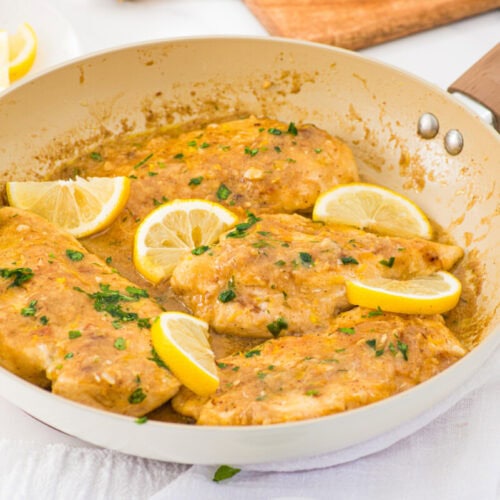
Lemon Garlic Chicken Breast is a cozy thirty minute skillet dinner featuring tender golden chicken cutlets in a buttery garlic, lemon, and chicken broth sauce. It is simple enough for a busy weeknight, yet inviting enough to serve for Sunday dinner or casual company.
Print Recipe
Ingredients
- 2 chicken breasts
- 3 tablespoons all-purpose flour
- 2 tablespoons lemon juice
- ¾ cup chicken broth
- 1 large garlic clove minced
- 1 tablespoon butter
- ¼ teaspoon black pepper
- ½ teaspoon salt
- 1 tablespoon olive oil
- Fresh parsley for garnish
Instructions
- Step 1: Slice the Chicken Into Cutlets - Place each chicken breast flat on a cutting board and hold it steady with one hand. With a sharp knife in your other hand, carefully slice through the breast horizontally to create two thinner pieces. You should end up with four cutlets that are close to one half inch thick. Even thickness is important because it helps every piece cook at roughly the same speed. If one end is much thicker than the other, gently pound it with a meat mallet or the bottom of a sturdy skillet until it is more even.
- Step 2: Dry and Coat the Chicken - Pat every chicken cutlet dry with paper towels. This might feel like a small detail, but dry chicken browns much better than damp chicken. Place the flour on a shallow plate, then press each cutlet into it so both sides receive a thin, even coating. Lift the chicken and gently shake away the extra flour. You are not trying to create a thick breading here. A light dusting is enough to give the surface a delicate crust and help the sauce cling later.
- Step 3: Brown the Chicken - Heat the olive oil in a large skillet over medium heat. Give the oil a moment to warm before adding the chicken. When the chicken touches the pan, you should hear a steady sizzle. Arrange the cutlets in a single layer without crowding them. Cook for about four to five minutes on the first side, then turn each piece and cook the second side for another four to five minutes. The surface should look golden and lightly crisp. Transfer the chicken to a clean plate while you prepare the sauce.
- Step 4: Melt the Butter and Cook the Garlic - Keep the skillet over medium heat and add the butter. As it melts, use a wooden spoon to move it around the pan and pick up some of the browned flour left behind. Add the minced garlic and stir constantly for about thirty seconds. The garlic should smell warm and fragrant, but it should not turn dark brown. Garlic can go from fragrant to bitter quickly, so stay close to the stove during this brief step.
- Step 5: Add the Fresh Lemon Juice - Pour the lemon juice into the skillet. It may bubble right away, which is exactly what you want. Use your wooden spoon or spatula to gently scrape the bottom of the pan. Those golden browned bits contain a lot of the savory chicken flavor, and loosening them gives the sauce a richer taste. Continue stirring until the bottom of the skillet feels mostly smooth.
- Step 6: Build the Pan Sauce - Slowly pour in the chicken broth while stirring. Adding it gradually helps the flour and browned bits blend into the liquid instead of forming little lumps. Stir in the salt and black pepper, then let the sauce come to a gentle simmer. Avoid cranking the heat too high. A steady simmer gives the liquid time to reduce and develop a smooth, glossy consistency without disappearing too quickly.
- Step 7: Finish Cooking the Chicken - Return the browned chicken cutlets to the skillet and tuck them into the sauce. Spoon a little of the liquid over the tops so every piece gets coated. Let the chicken simmer gently for about four minutes, or until it is completely cooked and reaches an internal temperature of 165 degrees Fahrenheit. The exact time can vary based on the thickness of your cutlets, so a kitchen thermometer is the easiest way to check. The sauce should lightly coat the back of a spoon.
- Step 8: Garnish and Serve - Remove the skillet from the heat. Sprinkle fresh chopped parsley and a little lemon zest over the chicken, then add lemon wedges around the pan or serving platter. Let the chicken rest for a couple of minutes before serving. This gives the juices inside the meat a chance to settle and allows the sauce to thicken slightly. Spoon plenty of sauce over each serving, especially when you have mashed potatoes, noodles, or rice waiting underneath.
Notes
Substitutions
- Chicken thighs: Boneless skinless chicken thighs can replace the breasts, though they may need a few extra minutes to cook through.
- Chicken cutlets: Store bought cutlets save prep time and remove the need to slice the chicken breasts yourself.
- Gluten free flour: Use a trusted cup for cup gluten free flour blend for a similar light coating and sauce consistency.
- Vegetable broth: Vegetable broth works when chicken broth is unavailable, though the sauce will taste slightly lighter.
- Avocado oil: Avocado oil can replace olive oil and is a good choice for browning at moderate heat.
- Garlic paste: Use about one teaspoon of garlic paste when fresh garlic is not available.
- Dried parsley: Use a small pinch of dried parsley in the sauce, though fresh parsley gives the finished dish better color and freshness.
- Dairy free butter: A plant based butter can replace regular butter if you need a dairy free version.
Variations
- Creamy lemon chicken: Stir in one quarter cup of heavy cream after the broth has reduced for a richer, softer sauce.
- Herb lemon chicken: Add fresh thyme or rosemary to the skillet with the broth for a more aromatic finish.
- Caper lemon chicken: Stir in one or two tablespoons of drained capers for a salty bite similar to chicken piccata.
- Spinach lemon chicken: Add two handfuls of baby spinach during the final few minutes and let it wilt into the sauce.
- Mushroom lemon chicken: Brown sliced mushrooms after removing the chicken, then continue with the butter and garlic.
- Spicy lemon chicken: Add a pinch of crushed red pepper with the garlic for gentle heat.
- Parmesan lemon chicken: Sprinkle finely grated Parmesan over the chicken just before serving for a salty, nutty finish.
Tips and Tricks
- Cut the chicken evenly: Thin cutlets cook faster, but their greatest advantage is that they finish at the same time and stay juicy.
- Pat the meat dry: Removing surface moisture helps the flour stick and encourages a golden crust instead of a pale, steamed surface.
- Shake off extra flour: Too much flour can make the coating gummy and leave the sauce thicker than intended.
- Give the chicken room: Use a large skillet and avoid overlapping the cutlets so they brown instead of releasing too much moisture.
- Do not burn the garlic: Thirty seconds is usually enough to release its aroma before the lemon juice goes into the pan.
- Use fresh lemon juice: Fresh juice gives the sauce a clean brightness and avoids the muted or slightly bitter taste bottled juice can have.
- Add the broth slowly: Gradual pouring makes it easier to dissolve the browned bits and produce a smooth sauce.
- Simmer gently: High heat can reduce the sauce too quickly and leave the chicken dry before the center is fully cooked.
- Use a thermometer: Chicken breast stays much juicier when you stop cooking as soon as the center reaches 165 degrees Fahrenheit.
- Taste before serving: Broths vary in saltiness, so sample the sauce and adjust the seasoning only after it has reduced.
Serving Ideas
- Mashed potatoes: Creamy potatoes soak up the buttery lemon garlic sauce and turn every spoonful into pure comfort.
- Buttered noodles: Wide egg noodles or simple pasta make an easy base for the chicken and plenty of extra sauce.
- Steamed rice: White or brown rice keeps the meal simple and catches every drop from the skillet.
- Roasted vegetables: Broccoli, asparagus, carrots, zucchini, or green beans add color and a tender roasted texture.
- Fresh green salad: A crisp salad with cucumbers and a mild vinaigrette balances the richness of the butter.
- Crusty bread: Warm bread is especially useful for wiping up the sauce left on the plate.
- Creamy polenta: Soft polenta makes the meal feel cozy and gives the sauce a smooth, comforting base.
- Garlic green beans: Crisp tender green beans echo the garlic in the chicken while keeping the plate fresh.
Storage and Make Ahead Tips
- Refrigerating leftovers: Let the chicken cool, then store it with the sauce in an airtight container in the refrigerator for up to three days.
- Reheating on the stove: Warm the chicken gently in a covered skillet over low heat with a splash of broth to loosen the sauce.
- Reheating in the microwave: Cover the chicken and heat it in short intervals so the meat does not become tough.
- Preparing the chicken early: Slice the breasts into cutlets up to one day ahead and keep them covered in the refrigerator.
- Measuring ingredients ahead: Portion the flour, broth, lemon juice, garlic, salt, and pepper before the evening rush begins.
- Making the full dish ahead: You can cook the chicken earlier in the day, but it has the best texture when served soon after browning.
- Freezing the chicken: Freeze cooked portions with a little sauce for up to two months, though the sauce may be slightly thinner after thawing.
- Thawing safely: Move frozen chicken to the refrigerator the night before you plan to reheat it.
Private Notes
Servings: 4 servings
