Honey Butter Chicken
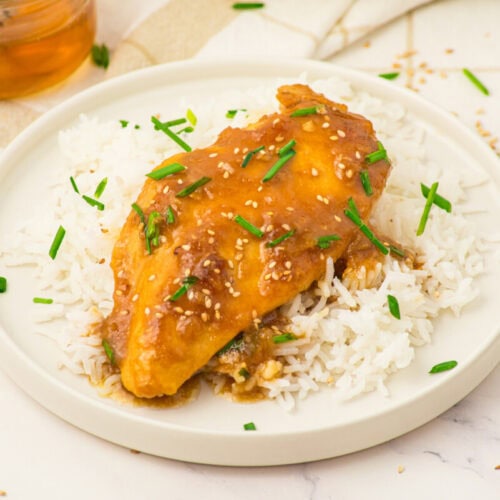
Honey Butter Chicken is a cozy skillet dinner made with tender golden chicken cutlets simmered in a glossy sauce of honey, butter, soy sauce, garlic, and a touch of apple cider vinegar. It comes together in about 35 to 40 minutes and pairs beautifully with rice, mashed potatoes, noodles, or vegetables for a family friendly dinner that feels special without making your evening more complicated.
Print Recipe
Ingredients
- 1 lb chicken breasts about 2 to 3 breasts, sliced into thin cutlets
- salt to taste
- 3 tbsp cornstarch
- 1 tbsp butter for browning the chicken
- 4 tbsp honey
- 2 tbsp soy sauce
- ½ cup chicken broth
- 1 tbsp apple cider vinegar
- 3 tbsp butter for the sauce
- 2 cloves garlic minced
- chives chopped, for garnish
- 1 tsp sesame seeds optional, for garnish
Instructions
- Step 1: Slice the Chicken into Thin Cutlets - Start by placing the chicken breasts on a cutting board and slicing each one horizontally through the middle. You should end up with about 4 to 6 thinner pieces, depending on the size of your chicken breasts. Aim for pieces that are roughly one half inch thick. Keeping them fairly even matters because thin cutlets cook quickly, and similar sizes mean you are less likely to have one piece drying out while another is still finishing. I also like to pat the chicken dry with paper towels at this point. A dry surface gives the cornstarch a better chance to stick and helps the chicken brown instead of steaming.
- Step 2: Season and Coat the Chicken - Season the chicken lightly with salt, remembering that the soy sauce will add more salt later. Put the cornstarch on a shallow plate and press each chicken cutlet into it, coating both sides. Shake off the extra cornstarch before moving the chicken to a clean plate. You want a thin, even dusting rather than a thick white layer. That light coating is enough to give you golden edges while leaving behind just enough starch in the skillet to help the sauce become glossy and thick.
- Step 3: Brown the Chicken Until Golden - Heat 1 tablespoon of butter in a large skillet over medium high heat. Give the pan a moment to get properly hot before adding the chicken. This is one place where a little patience pays off. If the skillet is not hot enough, the chicken releases moisture and steams rather than browns. Place the cutlets in the skillet without crowding them and cook for about 4 to 5 minutes per side. You are looking for a deep golden color on the outside and chicken that is nearly cooked through. Transfer the browned pieces to a plate while you make the sauce.
- Step 4: Mix the Honey Sauce - While the chicken rests, combine the honey, soy sauce, chicken broth, and apple cider vinegar in a small bowl. Stir until the honey loosens and everything is evenly blended. I like mixing the sauce separately because it lets you pour everything into the hot skillet at once. That gives the ingredients a chance to come together evenly instead of having the honey stick to one section of the pan while you scramble to measure the rest.
- Step 5: Melt the Butter and Cook the Garlic - Return your attention to the same skillet and add the remaining 3 tablespoons of butter. Once it melts, add the minced garlic and stir constantly for about 30 seconds. You should smell the garlic almost immediately. As soon as it becomes fragrant, you are ready for the next step. Garlic can turn bitter when it burns, and with a hot skillet it can go from fragrant to too dark surprisingly quickly. Keeping this part brief gives you that mellow garlic flavor without any bitterness.
- Step 6: Build the Honey Butter Sauce - Pour the honey mixture into the skillet and stir well. Use a wooden spoon or sturdy spatula to scrape along the bottom of the pan as the sauce begins to simmer. Those browned bits left behind from the chicken are packed with flavor, and this is where they get pulled into the sauce instead of being left stuck to the skillet. You will also be incorporating some of the cornstarch that remained after browning the chicken. As the sauce heats, you should notice it becoming a little smoother and slightly thicker.
- Step 7: Return the Chicken to the Skillet - Place the browned chicken cutlets back into the skillet, nestling them directly into the honey butter sauce. Spoon some of the sauce over the top of every piece so each cutlet is well coated. At my house, this is usually the moment someone walks into the kitchen asking how much longer dinner will be because the smell of honey, garlic, and butter makes it very hard to ignore what is happening on the stove.
- Step 8: Simmer Until the Sauce Thickens - Lower the heat enough to keep the sauce at a gentle simmer. Let the chicken cook for another few minutes, turning the pieces or spooning sauce over them occasionally. As the liquid reduces, the sauce will become thicker and shinier. Keep an eye on it because honey can scorch if the heat gets too aggressive. You want the sauce thick enough to coat the back of a spoon but still loose enough to drizzle over whatever you are serving alongside the chicken. Make sure the chicken reaches a safe internal temperature of 165°F before removing the skillet from the heat.
- Step 9: Garnish and Serve - Take the skillet off the heat and scatter chopped chives over the chicken. Add sesame seeds if you are using them. I usually spoon a little extra sauce over each piece just before it reaches the table because nobody at my house has ever complained about extra honey butter sauce. Serve the chicken while it is warm, preferably with something underneath it that can catch every last spoonful from the skillet.
Notes
Substitutions
- Chicken thighs: Boneless skinless chicken thighs can replace the breasts, although they may need a little extra cooking time depending on their thickness.
- Rice vinegar: Use rice vinegar in place of apple cider vinegar for a mild, slightly sweeter tang.
- White vinegar: Regular white vinegar works in a pinch, but start with a little less since its flavor can be sharper.
- Low sodium soy sauce: This is a useful swap if you prefer more control over the salt level in the finished sauce.
- Green onions: Thinly sliced green onions can replace the chives and give you a slightly stronger onion flavor.
- Vegetable broth: Vegetable broth can stand in for chicken broth if that is what you already have in the pantry.
Variations
- Add a little heat: Stir red pepper flakes or a small spoonful of chili sauce into the honey mixture for a sweet and spicy version.
- Add ginger: A teaspoon of freshly grated ginger cooked briefly with the garlic gives the sauce a warm, aromatic note.
- Make it extra garlicky: Add another clove or two of garlic if your family likes a stronger savory flavor.
- Finish with lemon: A small squeeze of fresh lemon juice at the end brightens the rich butter and honey.
- Add vegetables to the skillet: Quickly cooked broccoli, green beans, or sliced bell peppers can be folded into the sauce before serving.
- Turn it into bowls: Slice the finished chicken and serve it over rice with steamed vegetables, cucumbers, and extra chives for an easy family dinner bowl.
Tips and Tricks
- Cut the chicken evenly: Similar sized cutlets cook at the same speed, which helps keep every piece tender.
- Dry the chicken first: Patting away surface moisture makes it easier for the cornstarch to cling and helps the exterior brown.
- Get the skillet hot: A properly heated pan encourages browning instead of steaming.
- Do not overload the pan: If your skillet is small, brown the chicken in batches so each piece has room to make contact with the hot surface.
- Watch the garlic closely: Thirty seconds is usually plenty because burnt garlic can make the whole sauce taste bitter.
- Scrape up the browned bits: Those little bits on the bottom of the skillet dissolve into the sauce and add a lot of savory flavor.
- Taste before adding more salt: Soy sauce can vary in saltiness, so wait until the sauce comes together before deciding it needs anything extra.
- Keep the simmer gentle: Honey can burn if the sauce boils too aggressively, so reduce the heat once the chicken goes back into the skillet.
- Stop reducing at the right moment: The sauce continues to thicken slightly as it cools, so remove it from the heat while it is still easy to spoon.
Serving Ideas
- Steamed white rice: Rice is my usual choice because it catches every bit of honey butter sauce and turns it into part of the meal.
- Mashed potatoes: Creamy mashed potatoes make this dinner feel especially cozy and work beautifully with the buttery sauce.
- Egg noodles: Toss warm noodles with a little of the sauce and place sliced chicken over the top for a kid friendly dinner.
- Roasted broccoli: The slightly crisp edges of roasted broccoli provide a nice contrast to the sweet, glossy chicken.
- Green beans: Simple steamed or sautéed green beans keep the plate fresh without competing with the sauce.
- Roasted carrots: Their natural sweetness works well with the honey while their browned edges add another texture to the plate.
- Simple cucumber salad: Cool cucumbers dressed with a little vinegar offer a refreshing contrast to the rich skillet sauce.
Storage and Make Ahead Tips
- Refrigerate leftovers promptly: Store cooled Honey Butter Chicken in an airtight container in the refrigerator for up to 3 days.
- Keep the sauce with the chicken: Storing everything together helps protect the chicken from drying out and gives you plenty of sauce for reheating.
- Reheat gently: Warm leftovers in a covered skillet over low heat with a splash of chicken broth or water if the sauce has become too thick.
- Freeze for longer storage: Place cooled chicken and sauce in a freezer safe airtight container and freeze for up to 3 months.
- Thaw before reheating: Move frozen chicken to the refrigerator overnight so it can thaw gradually before you warm it.
- Prep the chicken early: You can slice the chicken into cutlets earlier in the day and keep it covered in the refrigerator until dinner time.
- Mix the sauce ahead: Combine the honey, soy sauce, broth, and vinegar and refrigerate it in a covered container until you are ready to cook.
Private Notes
Servings: 4 servings
